
✍︎ About the Author · Franz Kafka
Franz Kafka was a German-language writer born in Prague in 1883. During his lifetime he published relatively little, but his distinctive fiction later became central to twentieth-century literature. Kafka’s work often places ordinary individuals inside confusing, impersonal and oppressive situations. His major writings include The Metamorphosis, The Trial, The Castle and numerous short stories. He died in 1924, and the term “Kafkaesque” entered common language to describe the strange, bureaucratic and unsettling worlds associated with his fiction.
paperback
Metamorphosis
by Franz Kafka
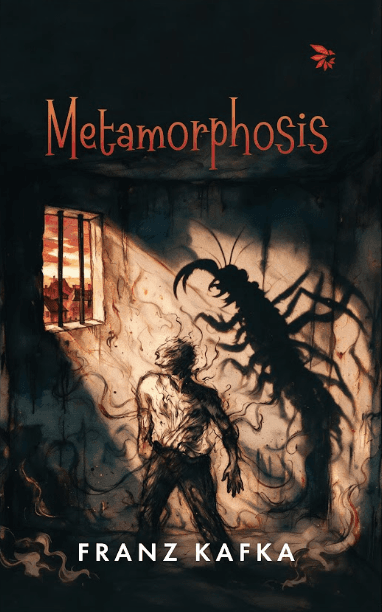
The Metamorphosis begins with one of literature’s most famous transformations: travelling salesman Gregor Samsa wakes to discover that he has become a giant insect-like creature. Unable to continue his ordinary life, he becomes confined to his room while his family struggles to respond to his disturbing new condition. What begins as an absurd and unsettling situation gradually becomes a powerful examination of isolation, obligation, shame and the way human worth can become tied to usefulness. Gregor’s changing relationship with his family reveals both moments of care and painful cruelty. Franz Kafka’s short masterpiece combines dark humour, surrealism and emotional unease. Strange yet immediately recognisable in its portrayal of alienation, The Metamorphosis remains one of the defining works of modern literature.
- Genre
- Literary Fiction / Absurdist Fiction / Psychological Fiction
- Series
- Nu Voice Paperback Classics
- Binding
- Paperback
- Pages
- 90
- ISBN
- 978-81-688351-7-7
- Combo eligible
- Yes
✍︎ About the Author · Franz Kafka
Franz Kafka was a German-language writer born in Prague in 1883. During his lifetime he published relatively little, but his distinctive fiction later became central to twentieth-century literature. Kafka’s work often places ordinary individuals inside confusing, impersonal and oppressive situations. His major writings include The Metamorphosis, The Trial, The Castle and numerous short stories. He died in 1924, and the term “Kafkaesque” entered common language to describe the strange, bureaucratic and unsettling worlds associated with his fiction.