
✍︎ About the Author · Friedrich Nietzsche
Friedrich Nietzsche was a German philosopher and classical scholar born in 1844. His writing challenged many traditional assumptions about morality, religion, truth, culture and human motivation. His major works include Thus Spoke Zarathustra, Beyond Good & Evil, On the Genealogy of Morality and The Gay Science. Nietzsche’s distinctive style, use of aphorism and emphasis on questioning inherited values made him one of the most influential and controversial thinkers of modern philosophy. He died in 1900.
red exclusive
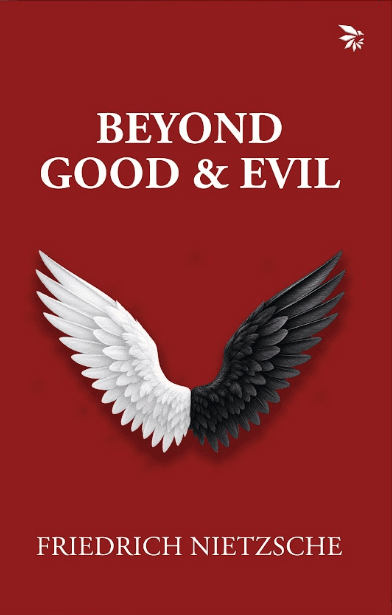
Beyond Good & Evil
by Friedrich Nietzsche
Beyond Good & Evil is Friedrich Nietzsche’s provocative examination of morality, truth, philosophy and the values that shape human life. Rejecting simple divisions between good and evil, Nietzsche challenges readers to question inherited beliefs and examine the assumptions hidden beneath conventional ideas. Across a series of tightly argued and often aphoristic passages, he considers religion, culture, knowledge, free will, power and the responsibilities of independent thinkers. His style moves between philosophical argument, psychological observation and sharp cultural criticism. Demanding, energetic and deliberately unsettling, Beyond Good & Evil is one of Nietzsche’s most important works. It continues to influence philosophy, literature, psychology and debates about morality because it refuses easy answers and urges readers to think beyond accepted categories.
- Genre
- Philosophy / Ethics / Modern Thought
- Series
- Nu Voice Red Classics
- Binding
- Paperback
- Pages
- 252
- ISBN
- 978-93-80041-00-1
- Combo eligible
- Yes
✍︎ About the Author · Friedrich Nietzsche
Friedrich Nietzsche was a German philosopher and classical scholar born in 1844. His writing challenged many traditional assumptions about morality, religion, truth, culture and human motivation. His major works include Thus Spoke Zarathustra, Beyond Good & Evil, On the Genealogy of Morality and The Gay Science. Nietzsche’s distinctive style, use of aphorism and emphasis on questioning inherited values made him one of the most influential and controversial thinkers of modern philosophy. He died in 1900.